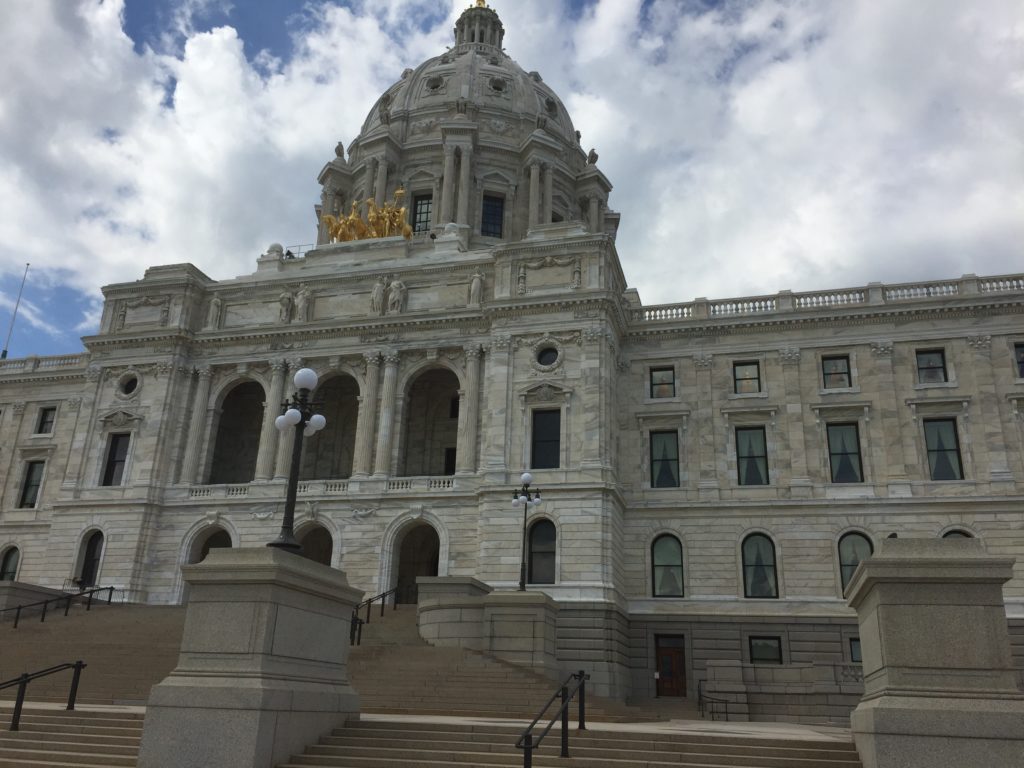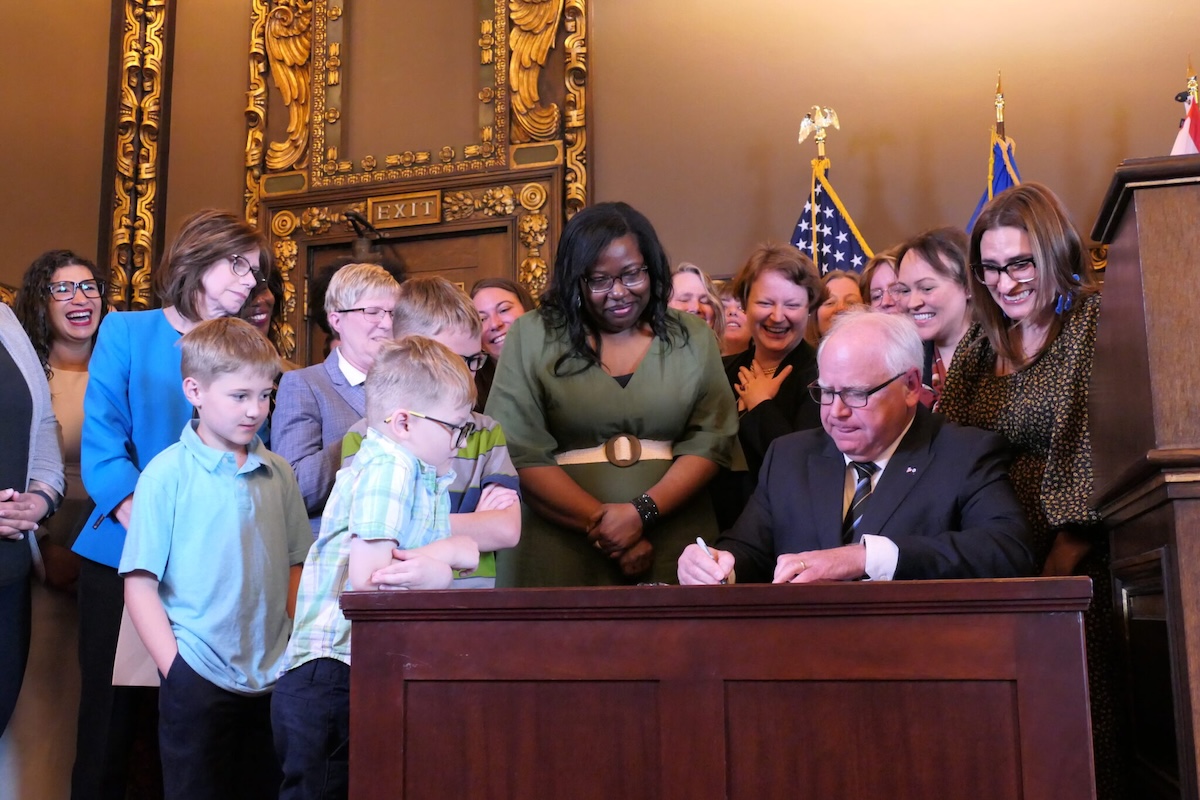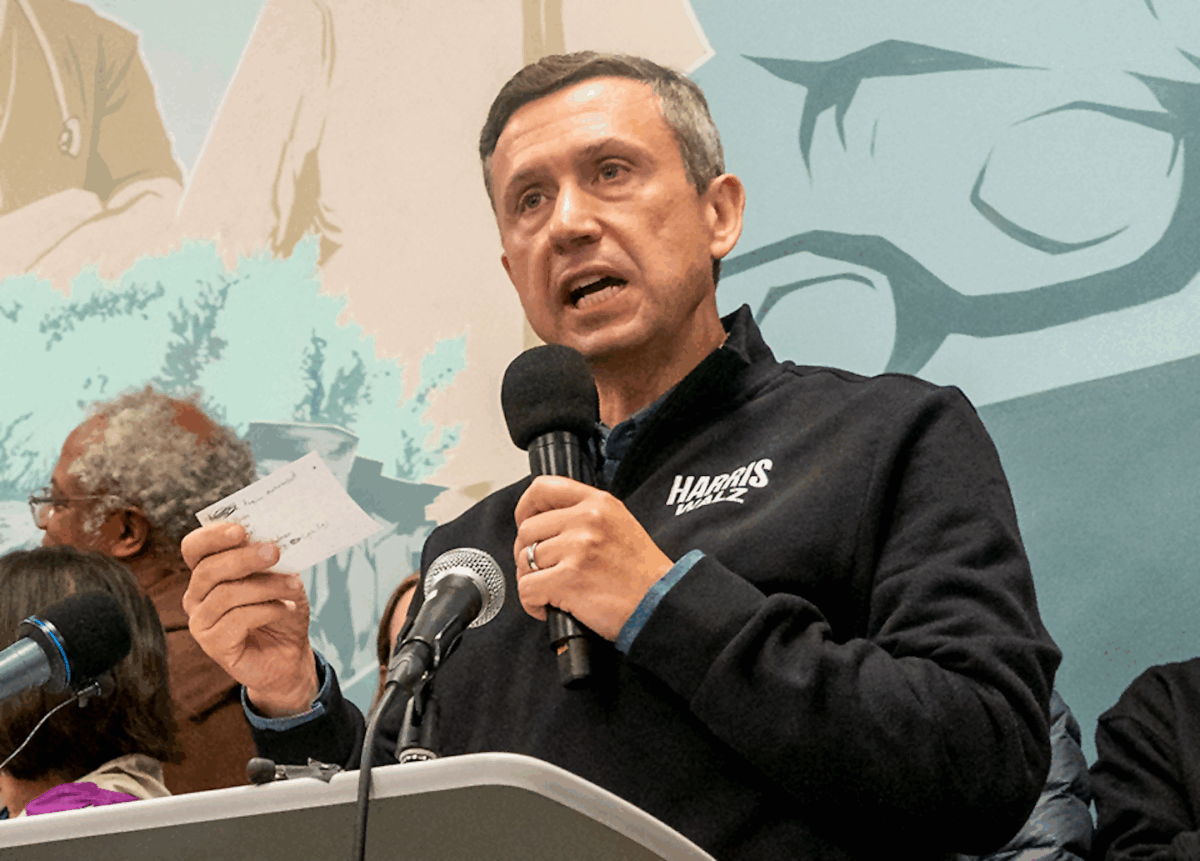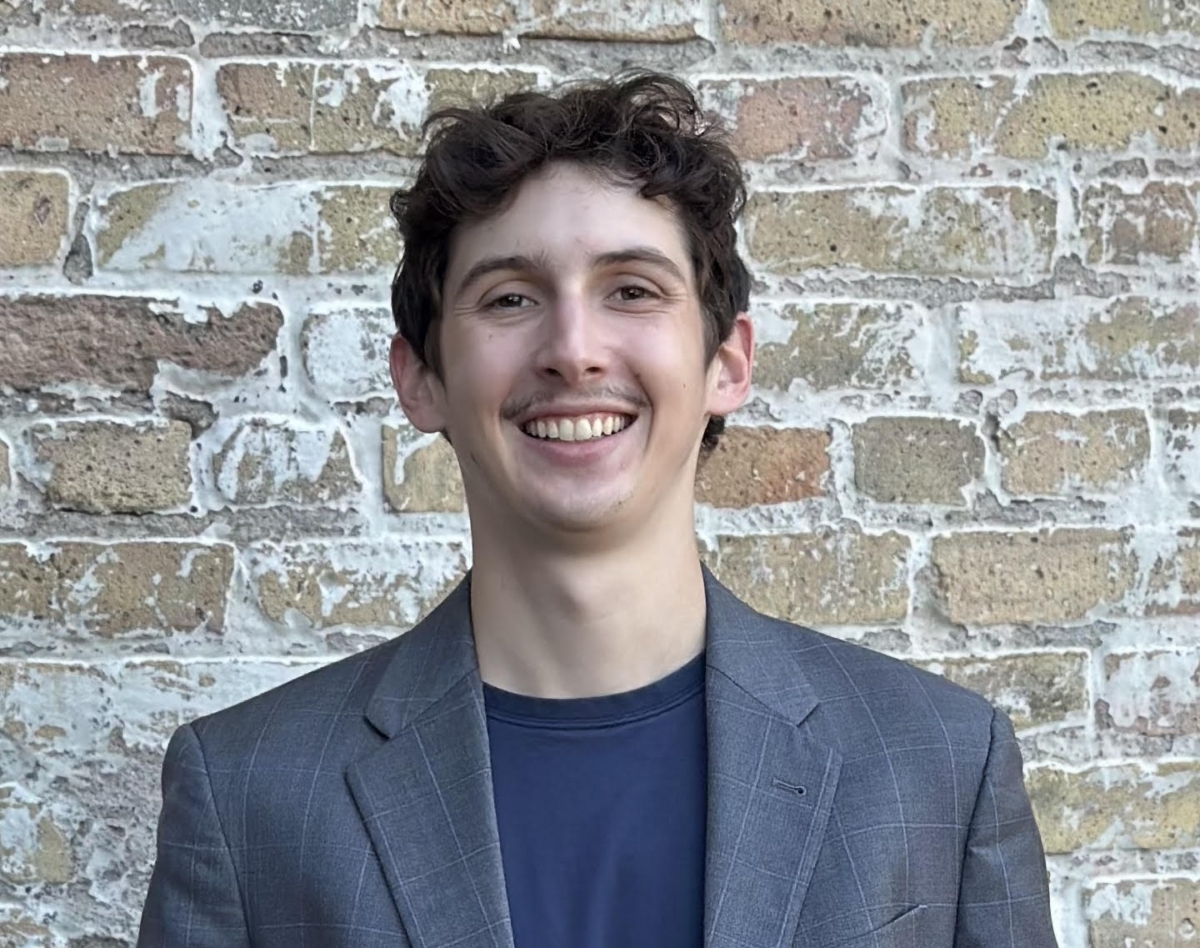



State Sen. Steve Cwodzinski, the DFL (Democratic-Farmer-Labor) lawmaker who spent more than three decades teaching civics in Eden Prairie before bringing those lessons to the state Capitol, announced Nov. 17 that he will retire at the end of his current term in 2026.

The decision closes a public-service run that has spanned classrooms, legislation, and the communities of District 49, which includes all of Eden Prairie and southern Minnetonka.
In a Monday phone interview, Cwodzinski said the choice wasn’t dramatic — just honest.
“It really came down to the normal reasons: more time with family and friends,” he said. “Tackling the pile of books next to my bed. And I’ve got another book in me — I want to write one more, about civics education and civility in politics.”
Cwodzinski has previously written a book titled “Beyond the Lesson Plan: 33 Questions Inspired by 33 Years of Teaching.”
He is looking forward to more time up north, especially in the Boundary Waters Canoe Area Wilderness. And after 33 years in the classroom and 10 years at the Capitol, he said, the timing finally felt right.
“I want more time in the woods and to enjoy the things people enjoy in retirement,” he said.
Cwodzinski will still serve one more legislative session.
“It’s funny — in what other profession do you announce you’re stepping down and then keep working for more than a year?” he said. “I think I’m on salary through about Jan. 3, 2027, so I’ve still got roughly 13½ months of public service ahead of me.”
First elected in 2016, he began serving in January 2017 and initially represented District 48 before redistricting placed him in District 49. He is chair of the Senate Education Policy Committee.

Before entering politics, Cwodzinski taught government and U.S. history at Eden Prairie High School — experience he said guided much of his work at the Capitol. Asked which accomplishments stand out, he pointed first to making civics a statewide graduation requirement, something he had long taught locally but that Minnesota did not require until the Legislature approved a statewide requirement in 2023.
He also mentioned his push for personal finance instruction, an idea that surfaced while door knocking. A former student’s mother told him her son didn’t know what renter’s insurance was — a lesson he learned the hard way when his basement apartment flooded.
And he credited three students who walked into his office and argued that menstrual products should be free in schools. Their visit led to a law providing no-cost products to students in grades 4-12.
“I’m really proud of those three things,” he said. “There are others, of course, but those are the ones that come to mind first.”
Cwodzinski said his family is excited for him. Patti, his wife, “has always been supportive” of his political career — something he’s reminded of whenever he pauses at the Capitol portrait of Gov. Rudy Perpich, who included his wife, Lola, in the painting. Their two adult children have been equally encouraging: “Whatever makes you happy, Dad.”
He added that having a spouse or partner who supports public service — “whether it’s school board or city council” — makes all the difference. “If you don’t have that, it might not work out as well as it could,” he said.

A year of reflection
Cwodzinski also spoke about a health scare he experienced in the summer of 2024 — a heart attack he hadn’t publicly discussed, saying he kept it private because he didn’t want the focus on himself or people feeling sorry for him.
During a family trip to Newfoundland and Nova Scotia, he began waking at night with intense chest pain he mistook for heartburn. “I’d never had heartburn in my life,” he said, and the pain didn’t match the classic symptoms of a heart attack — no sweating, no shortness of breath, no crushing pressure.
Back home, he went to the doctor on July 3. Tests showed his oxygen levels were depleted, and he had a 90% blockage in the left anterior descending artery — the “widowmaker.” Doctors told him one more episode could have been fatal.
“They wheeled me into surgery, put a stent in, and I’ve been grateful for modern science ever since,” he said.
Since then, he has lost weight, exercised more, and adopted healthier habits.
A few weeks after his heart attack, he met for coffee with a Republican lobbyist who had survived the same condition.
“Yeah, it makes you more human, doesn’t it?” he said. “When you have something like that happen to you, it makes you more understanding of the other side. He’s a Republican, and we just had a great conversation about what we’d been through together.”
Looking ahead to a final session
Cwodzinski said he intends to use his final year in office to pursue three long-running priorities: an assault-weapons ban, restricting cellphone use in classrooms, and changing what he views as misleading school-referendum ballot language.

He described the firearms issue as a lingering regret. “I don’t know if I’ve done enough to protect kids who are struggling from getting access to firearms,” he said, noting that firearms are the leading cause of death for children under 18 — most of them self-inflicted. During his teaching career, he said, several students in crisis had easy access to guns. “If they hadn’t had that immediate access … the outcome might have been different.”
Cellphone use in schools, he added, has become another concern. “The more I read and the more I see, the more I question whether kids should be using cellphones during the school day,” he said.
He also hopes to revisit the way school referendums appear on ballots. “The ballot literally tells you that a ‘yes’ vote will raise your taxes — but it doesn’t tell you what happens if you vote ‘no,’” he said, pointing to potential consequences such as larger classes or program cuts. “I don’t think that’s how a democracy should present information.”
His case for political balance
Cwodzinski has long represented a district that once leaned Republican before shifting Democratic, but he resists the idea that it has become reliably blue. He said he still sees the value — and the necessity — of balance.
“When people say it’s a blue district now, I don’t know if I agree,” he said. “I think there are pros and cons to both political parties … one of the things that made America great is a strong, stable two-party system.”

His decade of door-knocking reinforced that belief. When voters asked for his party, he told them he was a Democrat — and sometimes heard apologies from Republicans at the door.
“And I’d yell, ‘Don’t apologize! We need a strong two-party system,’” he said. “When Democrats get too strong, Republicans pull. When Republicans get too strong, Democrats push. That dynamic … is what has kept America strong.”
He said he hopes District 49 stays purple.
“Maybe people are better served in a purple district than in a strong blue or strong red one,” he said, “where only one voice is ever elected.”
As for the broader political climate, he still holds a measure of optimism. “I might be naïve, but I still believe America is a shining city on a hill,” he said. “We’re a great nation with great resources. We’re not perfect — but no country is.”
The past decade, he said, has felt like a rightward drift nationally, “not counting (President Joe) Biden’s election,” but he believes political currents eventually recenter. “As long as Democrats keep tugging and pulling, we’ll get back to the center, and that’s where we belong,” he said.
A moment when politics fell away
At his one-year cardiology checkup, the nurse asked about his diet (“wonderful”) and exercise (“wonderful”). Then she asked, “How’s your stress?”
Two weeks earlier, former Minnesota House Speaker Melissa Hortman and her husband, Mark, had been shot and killed in their Brooklyn Park home — an assassination that prompted law enforcement, including the FBI — to warn Cwodzinski that his name appeared on a threat list.
“I just laughed and said, ‘Well, I’m a state senator,’” he recalled.
The nurse began to cry. “And she never once asked what party I belonged to,” he said. “She just said, ‘Thank you for your service and your sacrifice.’”
Cwodzinski said he tells that story often — a reminder, he said, that “city council members, school board members, all of them work incredibly hard,” and that politics can be punishing in ways most people never see.
“I’ll be grateful to that nurse forever,” he said.

‘I hope I did some good‘
As the interview wrapped up, Cwodzinski said he hoped the story would reflect what matters most to him.
“I don’t want the story to be about my accomplishments or some big list of what I did,” he said. “I want to thank people.”
He said he has been “in awe” of how many people helped him do the work — legislative staff, lobbyists, constituents, parents, and former students.
“When I taught, we talked about Sen. (Amy) Klobuchar (or other elected leaders), but we never talked about all the people behind the scenes helping them,” he said. “‘It takes a village’ sounds cliché, but it is absolutely true.”
He also offered one last reflection — a line he taught for years and now wishes he could revise.
“I used to tell my students Otto von Bismarck’s line about lawmaking being like sausage — you shouldn’t watch either being made,” he said. “The kids always laughed.”
Bismarck, a 19th-century German statesman, is widely credited with the analogy. But after nine years in the Senate, Cwodzinski said he wishes he had never taught that.
“Lawmaking is nothing like sausage making. It’s like creating a symphony or a skyscraper or a poem,” he said. “There are setbacks and revisions, but the end result — when it all comes together — should be something people can be proud of.”
More to read: Steve Cwodzinski’s farewell commentary, where he looks back on a decade in the Senate and the values that shaped his public service.