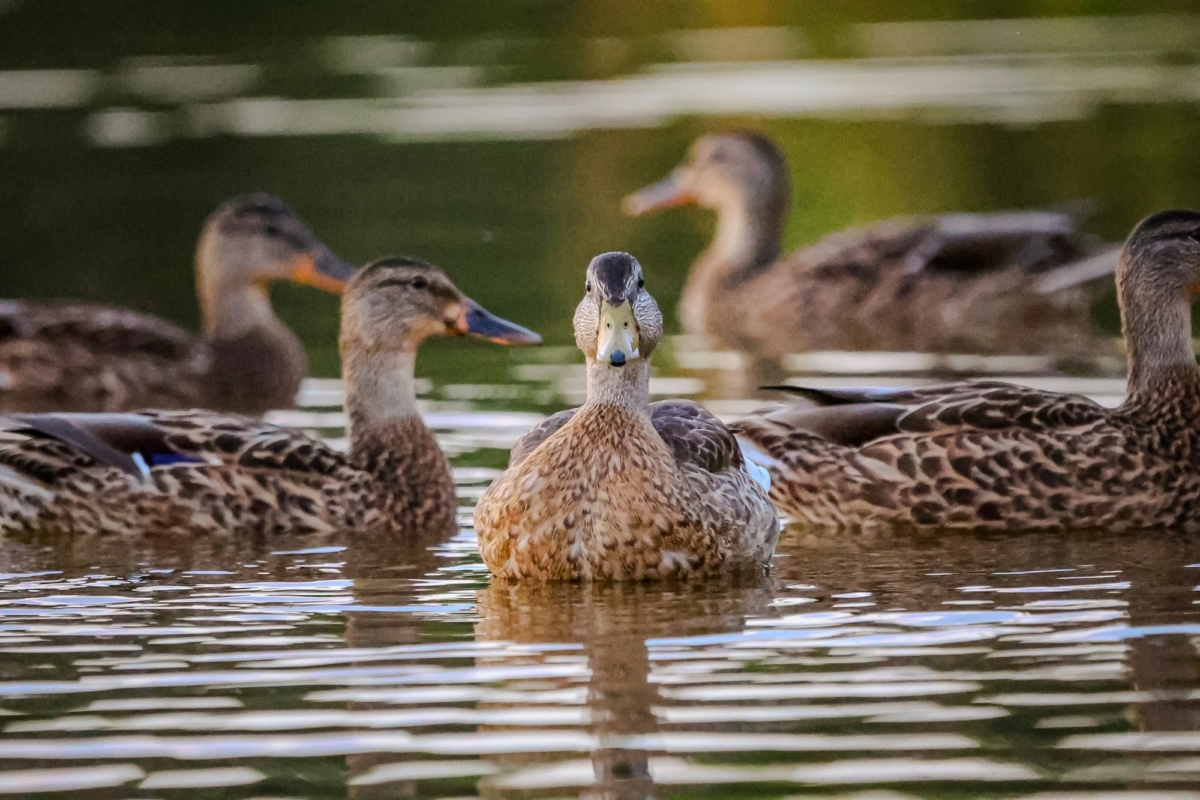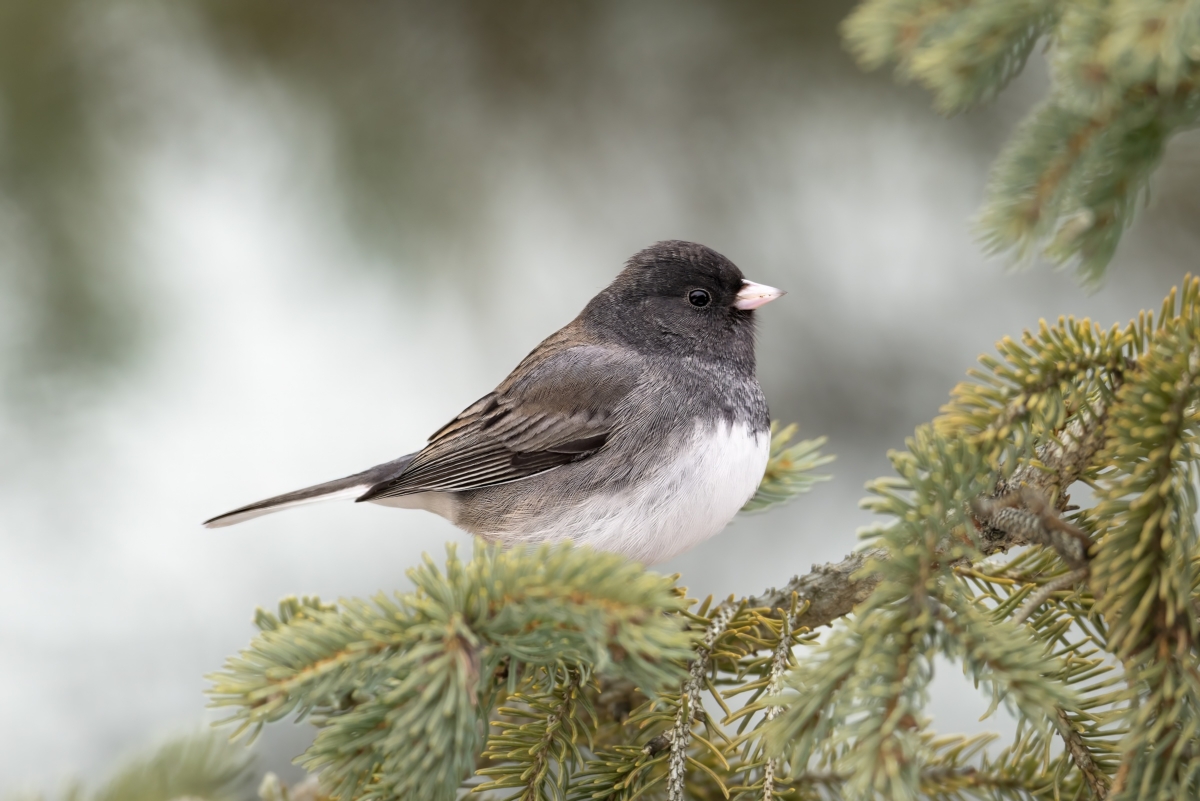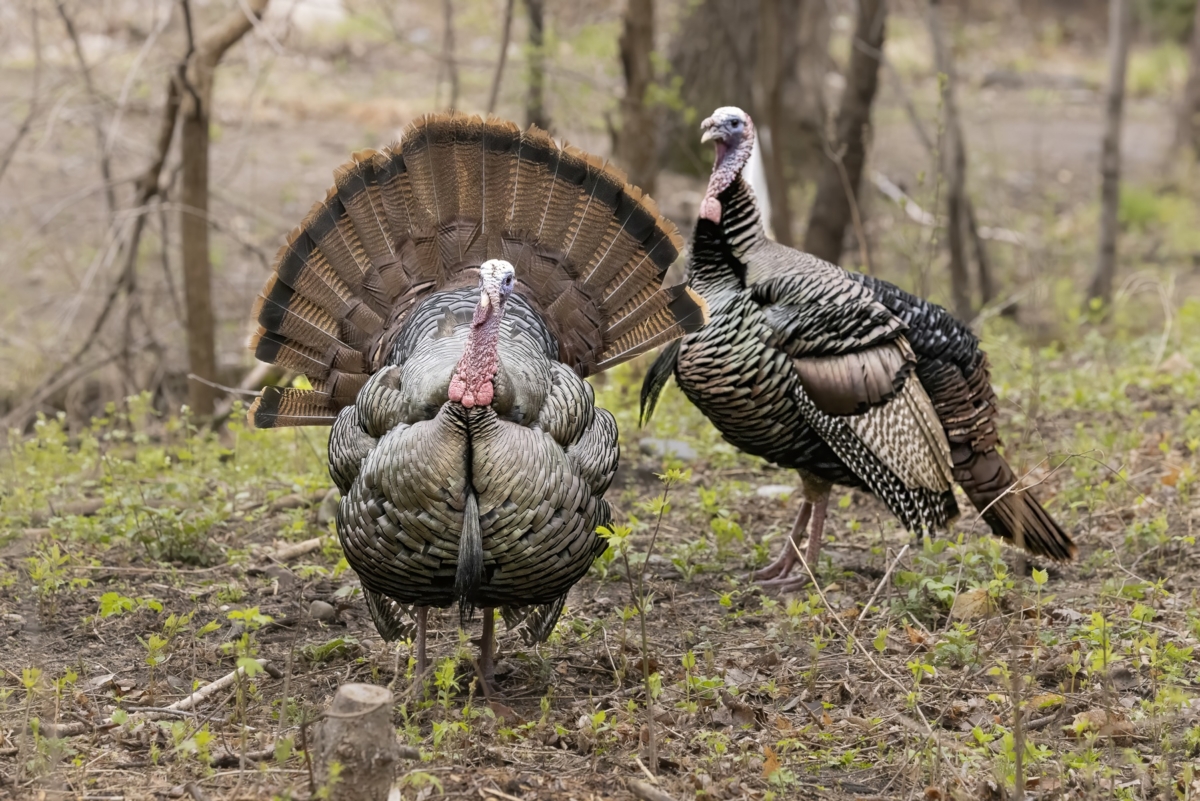



Even the most ordinary critters in nature have behaviors and characteristics that I find fascinating — and I hope you will, too.
The eastern gray squirrel (Sciurus carolinensis) has got to be one of the most common and overlooked critters in America. They are found throughout the entire eastern half of the country and have a nearly identical cousin that is found in the western half.

So, the other day, when I was driving back from a presentation I had given about nature to a large group at a college, I spotted an eastern gray squirrel black morph, and I thought, “Here’s an extremely common critter with so many cool stories to tell.”
Black squirrels are the melanistic variation of the eastern gray squirrel. In other words, they are just a regular old eastern gray squirrel that happens to have extra melanin in its fur that makes them black. Melanin is just a pigment in the fur.
So, the question is, why are they black? While we may never know why, there are some observations that we biologists can make.
Black squirrels can be found throughout the range of the eastern gray squirrel, but the black morphs tend to be more frequent in the northern portions of its range, especially around the Great Lakes Basin.
For example, the black morphs form the majority of the population in the Canadian province of Ontario and the state of Michigan. During the 19th and 20th centuries, the black morphs were introduced to many places across the eastern half of the country because people liked the way they looked.
Many cities, municipalities, schools and parks have adopted the black squirrel as their mascot as a symbol for their community, and some have even passed ordinances that protect the black squirrels.
The dark fur is believed to come from a variant pigment gene. A study in 2014 showed how the pigment gene can be the determining factor in whether the squirrel will be gray or black. Another study points out that the variant pigment gene was originally found in dark-morph fox squirrels. The fox squirrel (Sciurus niger) is another tree squirrel found in much of North America. The pigment gene jumped from the fox squirrel to the gray squirrel after an interspecies mating occurred centuries ago.
Some research shows there are benefits to the gray squirrel having black fur (melanism). One theory is that gray squirrels have an advantage of better concealment in deciduous (broadleaf) forests, while black squirrels have the advantage of concealment in coniferous (evergreen) forests, which are found in more northern states.
In addition, another study in 1989 showed that the gray morph had better concealment while sitting still, while the black morph had better concealment while in motion.
The second theory for dark fur is thermoregulation. Studies show that black-furred squirrels have an 18% lower heat loss when outside temperatures fall below 14 degrees Fahrenheit, along with a 20% lower metabolic rate. This suggests that the black coat gives an advantage in northern regions.
So, what determines if a mating pair of squirrels produces black offspring?
Gray squirrels have two copies of the gray pigment gene, and black squirrels have either one or two copies of the black pigment gene. If a black squirrel has two copies of the black gene, the offspring will be jet black in color; if it has one copy, it will be a brownish-black. Only around 10% of the eastern gray squirrel population is believed to be jet black. In areas with many black squirrels, litters of mixed-colored offspring — gray, grayish black and jet black — are common.
As you can see, there are so many interesting things to consider in even the most common of our wild critters. Now multiply this by the number of cool critters on the planet, and you can see we are surrounded by amazing and fascinating behaviors and characteristics of even the most common animals.
Until next time …
Editor’s note: Stan Tekiela’s NatureSmart column appears twice a month in the Eden Prairie Local News. Tekiela is an author, naturalist and wildlife photographer who travels extensively across the United States to study and capture wildlife images.
You can follow his work on Instagram and Facebook. He can be contacted via his website at www.naturesmart.com.