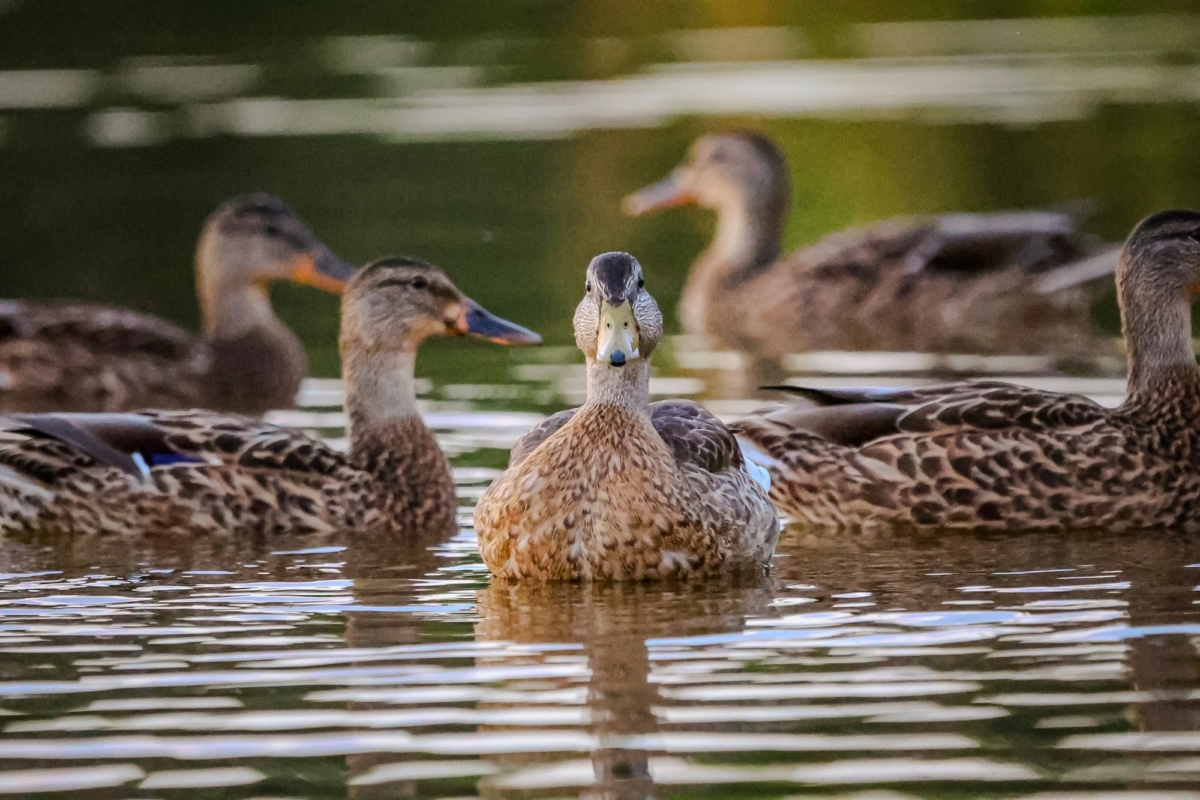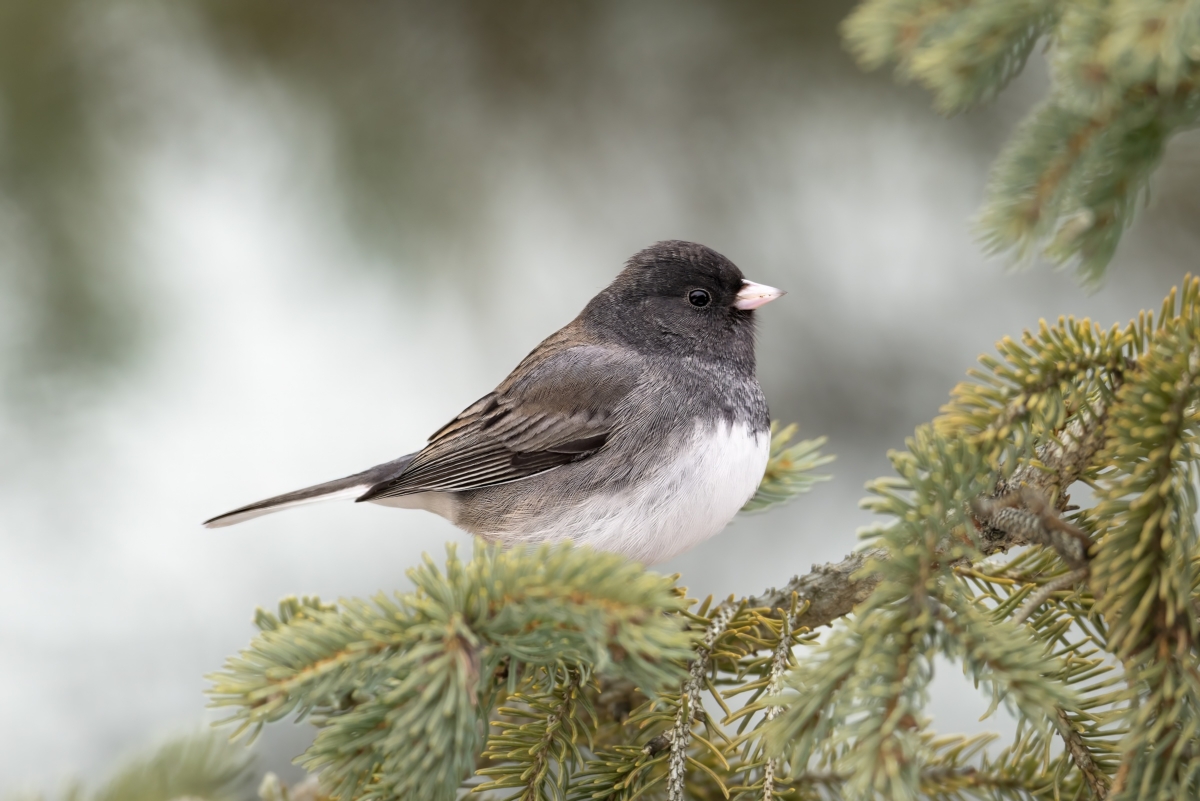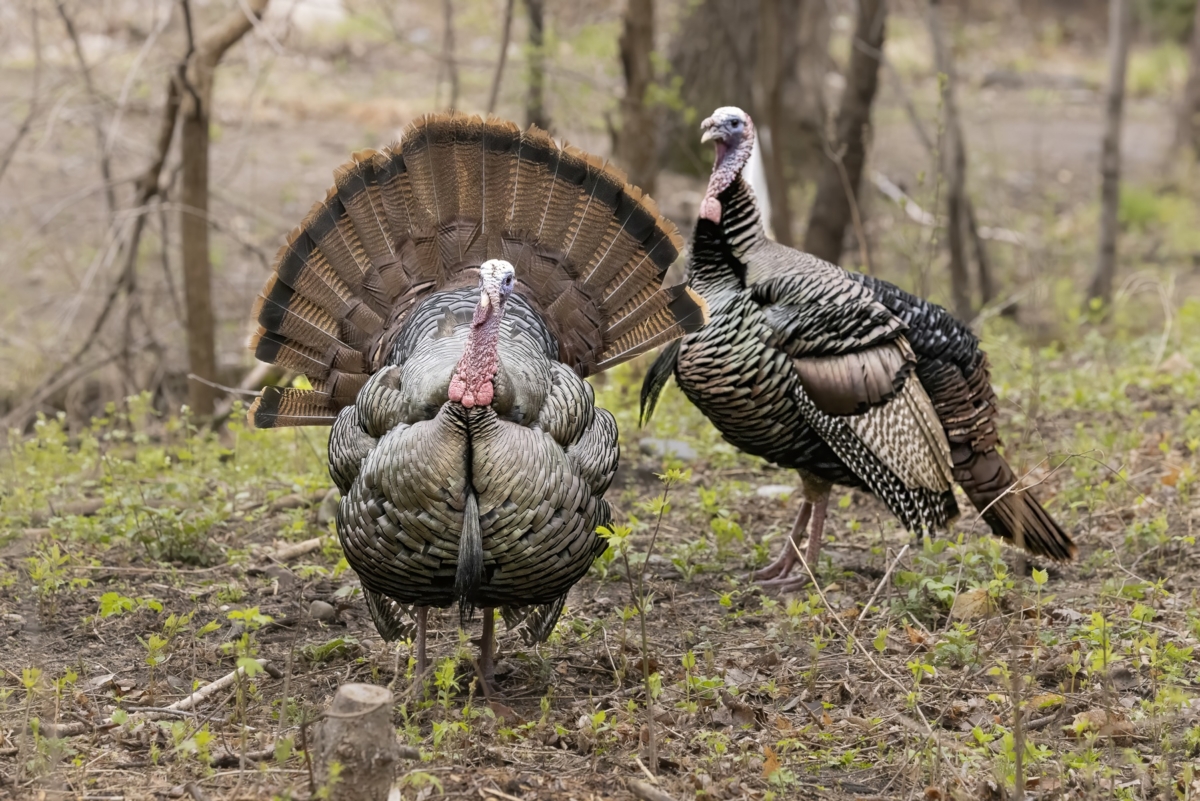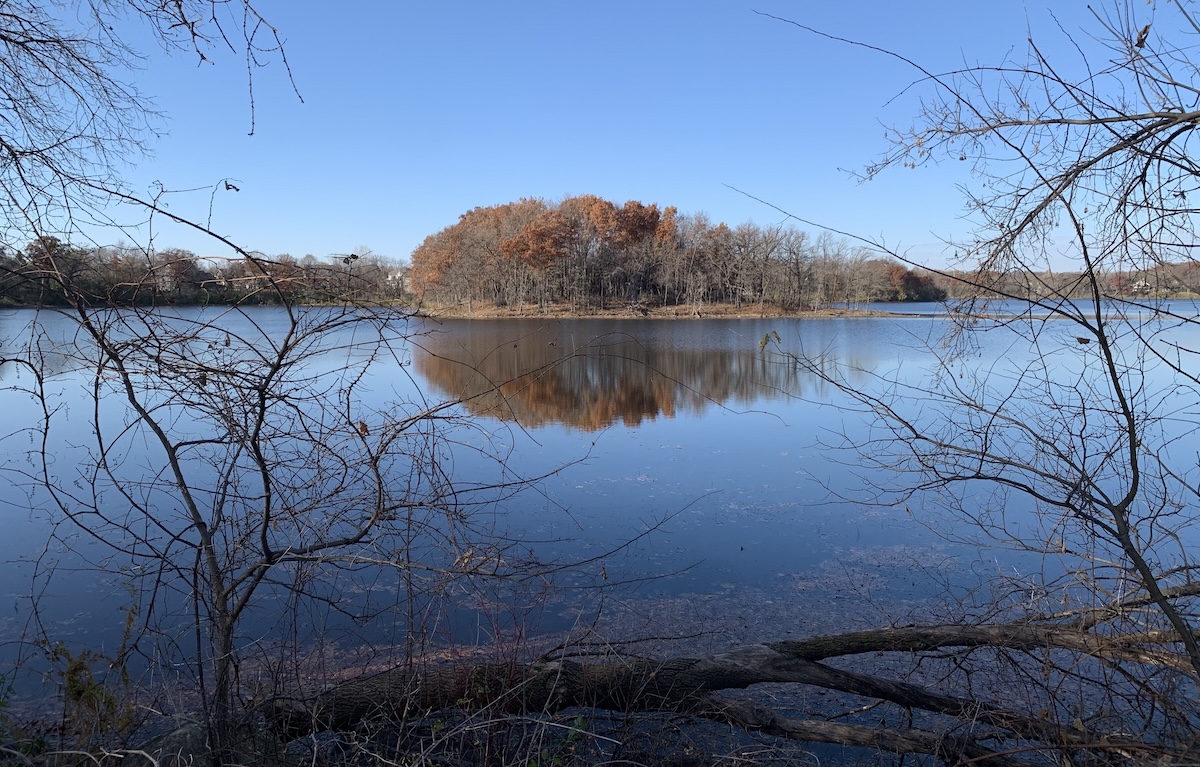



Diversity is the key to the strength and resilience of Mother Nature. In the plant world, diversity ranges from single-celled algae to giant sequoia trees. The diversity of insects is almost too much to fathom. Birds are another striking example of nature’s variety. More than 11,000 species of birds flit around the world in vibrant colors, shapes and sizes.

The mammals of the world are no exception to nature’s diversity. More than 6,600 species of mammals add to its richness. There are mammals that swim in the deepest oceans and live underground, as well as in deserts, forests and wetlands. We even have mammals that fly.
Each one of these species plays an important role in the health and diversity of our natural world. You can think of every plant, insect, fungi, bird or mammal as an individual rivet on an airplane.
This metaphor, first developed by Paul Ehrlich, is known as the “rivet popper” metaphor. It explains the importance of biodiversity and the consequences of species extinction on the stability of ecosystems. Thousands of rivets hold the plane together, just as thousands of species hold ecosystems together.
Some rivets are more vital than others to the plane’s ability to fly. If you lose a couple of rivets, the plane can continue to fly – but at what point do too many missing rivets cause the plane to crash? The location of the missing rivet also matters. The most critical ones are considered keystone species.
The “rivet popper” metaphor illustrates that while the extinction of one species might not cause the plane to crash, the cumulative loss of biodiversity – especially the loss of a keystone species – increases the chances of an eventual ecosystem collapse, or the plane crashing.
Keystone species are vital to a given ecosystem. Often they are small, unnoticed and seemingly unimportant. Some people may even question, “What good are they?” The black-tailed prairie dog (Cynomys ludovicianus) is one such species, playing an integral role in the grassland ecosystem. I was thinking about this last week while capturing images and video of these creatures in western North Dakota.
Prairie dogs are considered “ecosystem engineers” of the grassland habitat. The list of benefits from their existence is too long to include in this column, but let me highlight a few. Dozens of other species literally depend on prairie dogs. The complex burrows they dig create homes for many species, such as burrowing owls and the endangered black-footed ferret. Other creatures – including snakes, beetles, mice and voles – also use their burrows.
Their digging also improves soil health by aerating the ground, turning over the soil to recycle nutrients, and helping rainwater recharge the aquifers while preventing flooding and excess runoff. Their constant grazing on the vegetation that surrounds prairie dog towns promotes new growth, which benefits other grazers such as bison and pronghorn.
Dozens of animals depend on prairie dogs for food. Predators such as hawks, eagles, foxes and coyotes often rely on them. The American badger and black-footed ferret almost exclusively feed on prairie dogs. Bobcats and swift foxes also spend a lot of time hunting them.
The diversity of life surrounding a prairie dog town is undeniable. Outside a prairie dog town, you just don’t see the same variety of plants and animals – especially predators. A healthy prairie dog town is the heart and soul of a healthy, productive ecosystem. Every time I visit one, I am reminded of just how important diversity is for a healthy environment.
Until next time …
Editor’s note: Stan Tekiela’s NatureSmart column appears twice a month in the Eden Prairie Local News. Tekiela is an author, naturalist and wildlife photographer who travels extensively across the United States to study and capture wildlife images.
You can follow his work on Instagram and Facebook. He can be contacted via his website at www.naturesmart.com.